Your Garage Door Spring Broke — What to Do (and Not Do)
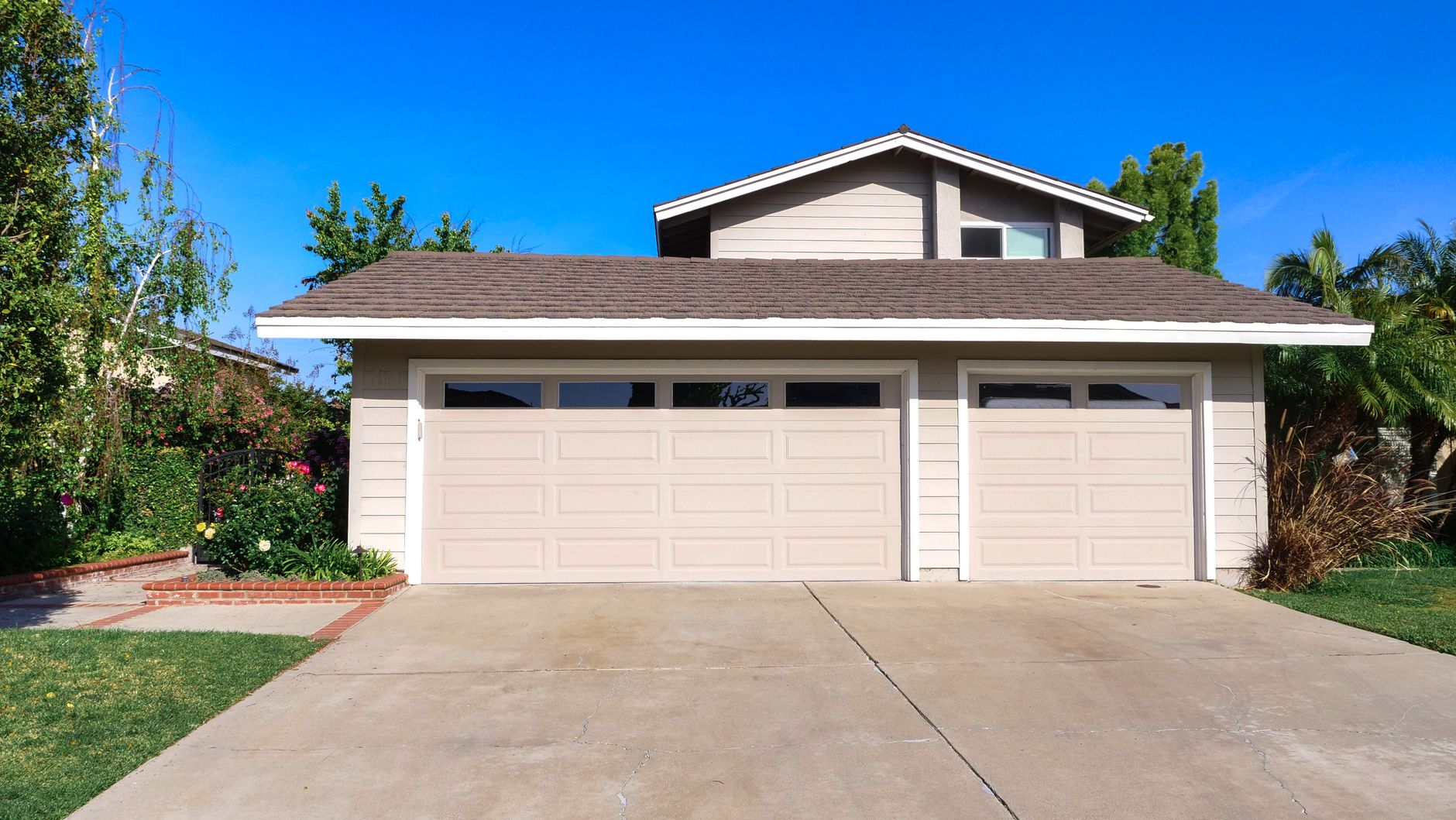
A broken garage door spring is one of those home problems that hits you when you least expect it. You hit the opener button and hear a loud BANG, or the door won't open at all, or it opens but feels heavy and wrong. That's usually a spring issue, and it's important to handle it correctly because garage door springs are under serious tension and can cause real injury if you mess with them.
First, stop and don't try to open or close the door. If the spring is broken, the door's weight is no longer balanced. Your garage door opener motor isn't designed to lift the full weight of the door on its own—the springs do that job. Trying to force it open or closed can damage the opener, snap cables, or worse. Just leave the door where it is and step back.
Next, take a quick look at what's happening. If you can safely peek at the springs above the door from inside the garage, you might see a clear break—the spring will have a visible gap or separation. Torsion springs (the most common type) run horizontally above the door. Extension springs run along the sides. Either way, if it's broken, you'll know because the door will feel completely dead or way too heavy. Don't try to manually force it open. That's a good way to get hurt.
Now here's the important part: call a professional garage door technician. I know that's not the answer you wanted to hear if you're hoping for a DIY fix, but springs are genuinely dangerous. They're under hundreds of pounds of tension, and releasing that tension incorrectly can cause serious injury. A professional has the right tools, knows how to safely manage that tension, and can replace the spring properly. Most spring replacements take a technician an hour or two and typically cost somewhere in the $200 to $400 range depending on the type of spring and your area, though prices vary.
While you're waiting for your appointment, you can still use your side door or garage entry if you have one. Your car is fine sitting in the driveway for a day or two. If you absolutely need to get the door open in an emergency, a technician can usually come out pretty quickly—many offer same-day or next-day service. Don't try to rig something yourself or use the door halfway. It's not worth the risk.
One thing you can do while you wait is check whether your door might be under a warranty. If you had the door or springs installed within the last few years, there's a chance the spring is still covered. It's worth asking the technician when you call. Some springs come with warranties ranging from a few years to longer, depending on the manufacturer and installation.
After the spring is fixed, ask the technician if there's anything you should know about maintenance. Springs do eventually wear out—they typically last somewhere between 7 to 12 years depending on how often you use the door and the quality of the spring. Regular lubrication and inspection can help, but there's no way to prevent a spring from eventually needing replacement. It's just part of owning a garage door.
The bottom line: a broken spring is not a DIY project. It's a safety issue that needs professional hands. Call a local garage door pro, stay safe, and let them handle it. Your door will be back in action soon, and you'll avoid the risk of serious injury that comes with trying to work on springs yourself.
Dealing with this in the Triangle? Call (984) 229-8236 for a free garage door repair estimate.